Skip to product information
1 of 5

Herbal Sitz Bath and Muslin Bag | Postpartum Gifts for Moms

Herbal Sitz Bath and Muslin Bag | Postpartum Gifts for Moms

Bring God’s creation into your postpartum routine. We carefully blend organic and wildcrafted herbs to follow traditional herbal recipes. Create a tub bath, a sitz bath, a compress, or padsicle for a moment of self-care.
Regular price $12.00
Regular price Sale price $12.00
Sale Sold out

In stock

Quantity

Herbal Recovery for the Quiet Moments After Birth

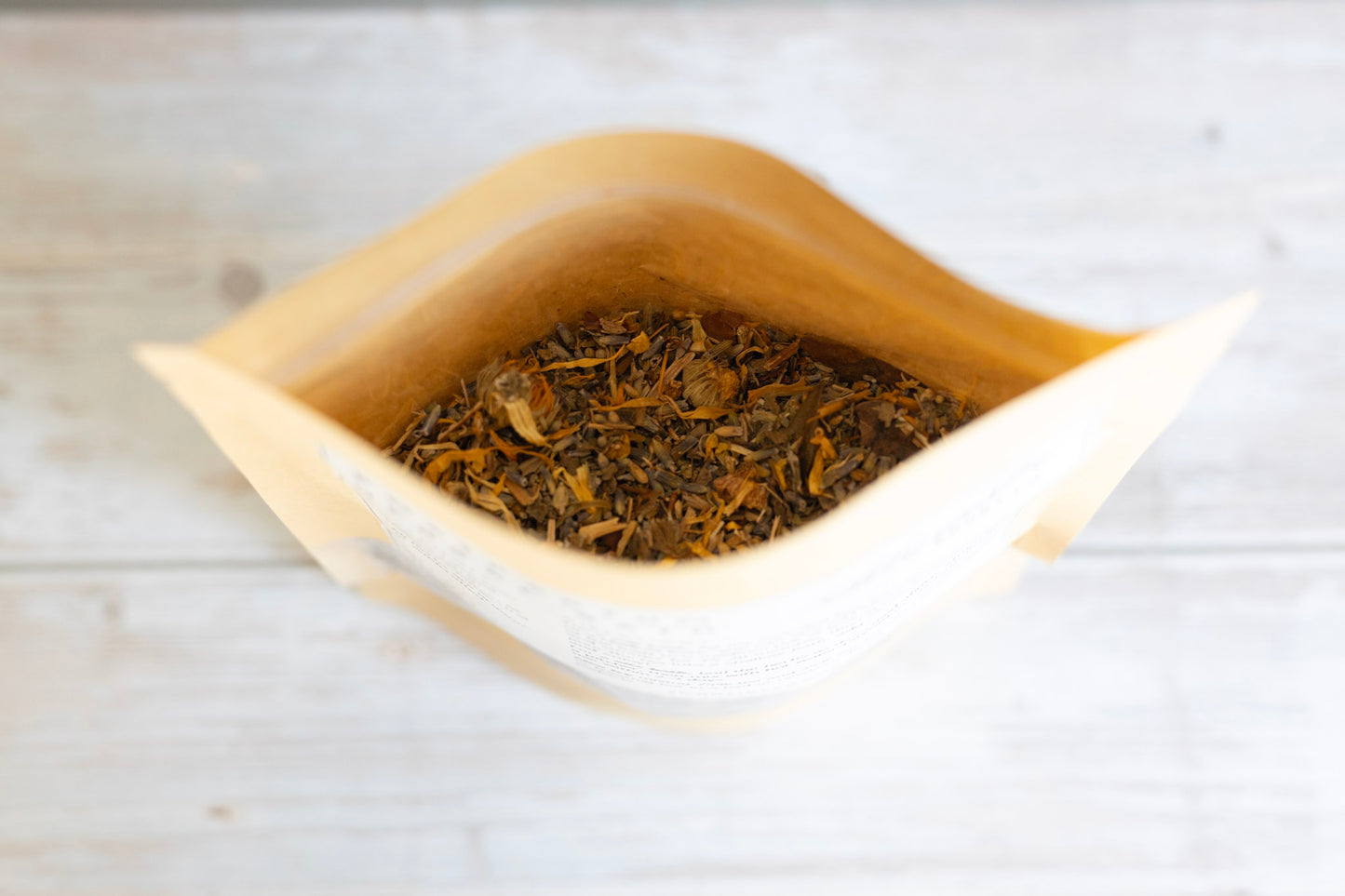
The sitz bath is a centuries-old tradition that helps increase comfort right after birth. We use soothing herbs like lavender, red raspberry leaf, calendula, and shepherd’s purse to slow bleeding, ease tension, and support wound recovery.

We’ve pulled these herbs from ancient medicine cabinets, but made it a little easier to use them in modern life. We include a muslin bag to store the herbs with instructions for how to create a full bath, sitz bath, padsicle, or compress. Add it to your postpartum care basket, use it as a baby shower gift, and have it on hand for pregnancy prep.

Benefits of Your Postpartum Sitz Bath Infusion:

  • Ease tension and cramping
  • Holistic wound recovery
  • Wildcrafted and organic herbs
  • Gentle hormone balancing
  • Easy to freeze for padsicles
  • Calming lavender scent

Yes, Our Postpartum Sitz Bath Meets Your Standards:

✔️ Wildcrafted and organic herbs
✔️ Loose herbs for no microplastic exposure
✔️ Formulated specifically for postpartum
✔️ Gentle for sensitive skin
✔️ Made with love from another mama
View full details

The Ingredient Glossary

Lavender

Lavender

A calming herb, dried lavender can be placed under your pillow for better sleep. Use it to reset your nervous system, enhance collagen production in the skin, or to keep your babies calmly tucked in for the night.
Calendula

Calendula

Pronounced "ca-LEND-u-la", this garden herb has a gentle and historic presence. It’s known for potent anti-inflammatory, anti-fungal, and antibacterial properties, and our ancestors kept it on hand for liver support and wound care.
Plantain Leaf

Plantain Leaf

There’s probably plantain leaf in your backyard right now (don’t harvest it if it’s been sprayed with pesticides, though). Herbalists crush fresh plantain and then apply it directly to wounds, cuts, and scrapes. It’s great for any kind of recovery and may feel cool and soothing to painful areas.
Red Raspberry Leaf

Red Raspberry Leaf

Use raspberry leaf anytime you want skin that feels a bit tighter. It’s a natural astringent that herbalists use to slow bleeding, contract muscles, and relax cramps. You can drink red raspberry leaf before giving birth, too, but it’s not recommended until the third trimester.
Shepherd's Purse

Shepherd's Purse

This herb has heart-shaped seed pods that resemble Turkish shepherd’s pouches from the Middle Ages. Today, most people know shepherd’s purse as a garden weed, but in traditional Chinese medicine, it’s used to calm excessive bleeding and support wound recovery.
St. John's Wort

St. John's Wort

This herb is most well-known for its mood-balancing properties. It’s used in herbal medicine for depression and PMS, but be cautious if you take it as a supplement because it can interfere with other medicines. The topical benefits of St. John’s wort are just as potent, and it can help with pain relief, minor aches, and bruises.
Uva Ursi

Uva Ursi

Also called “bearberry,” this herb has a unique skin-brightening compound called arbutin. Using it regularly may soften dark spots, and herbalists recommend it as an alternative to hydroquinone. Our favorite use for bearberry, though, is to prevent swelling and UTIs.
Yarrow

Yarrow

The sweetest prairie flower, yarrow has lacy yellow, white, or pale pink blooms. It has natural antibacterial and antiseptic properties, and it’s used in sprays, ointments, and toners to firm the skin. We love topical yarrow because it tends to relieve itchiness, irritation, and small discomforts.

Collapsible content

Ingredient List

Calendula, Lavender, Plantain Leaf, Red Raspberry Leaf, Shepherd’s Purse, St. John’s Wort, Uva Ursi Leaf, Yarrow

All herbs are organic or wildcrafted.

Your Use and Care Guide

Tub Bath: Fill the muslin bag with herbs and place it in a shallow bath. Let it steep for a few minutes and then enjoy. You can also add about 1 cup of herbs (1/3 of the bag) to a medium pot of boiling water. Stir and simmer for 15–20 minutes, strain into a large bowl, and pour the tea into a shallow bath.

Sitz Bath: Add 1 cup of herbs (1/3rd of the bag) to a medium pot of boiling water. Stir and simmer the herbs for 15–20 minutes, then strain into a pitcher. Mix with hot water (about 50/50) and pour into a sitz bath basin. Use within 2–3 days.

Peri Bottle: Once your herbs are boiled, take the tea bath and pour it into your peri bottle. Also, try mixing it with witch hazel (about 75% tea and 25% witch hazel).

Padsicle: Once your herbs are boiled, pour 2 tablespoons of the mixture onto a pad. Add witch hazel as desired, then put the pads in the freezer to set.

Consult your midwife or doctor for the recommended frequency of baths, especially if you have had a C-section. It is also important to keep the bathtub or sitz bath basin clean to avoid infection.

Container & Size Info

3.5 oz paper bag

Give Your Postpartum Body the Intention It Deserves with Beautifully Crafted Herbs

Our priority is to create high-quality tallow skincare and artisanal goods that are practical for families — with ingredients and materials that stand toe-to-toe with luxury brands.

Frequently Asked Questions About Postpartum Sitz Baths

Herbal Sitz Bath and Muslin Bag | Postpartum Gifts for Moms

Can You Take a Sitz Bath After Giving Birth?

Yes, a postpartum sitz bath is a traditional way to care for your body after childbirth. You’ll want to check with your healthcare provider (especially if you had a C-section), but sitz baths are generally recommended, especially when they use whole herbs.

Postpartum Sitz Bath Instructions

Add your herbs to boiling water and let them steep for 15–30 minutes. Pour the mixture into a pitcher and mix it half-and-half with hot water. Then transfer your blend into your sitz bath basin. Test the water to make sure it’s not too hot, and soak in the basin for 10–20 minutes.

Are Sitz Baths Good for Postpartum?

Sitz baths are highly recommended for postpartum, especially after a vaginal delivery. They can help ease hemorrhoids, keep stitches clean, calm excess bleeding, and soften cramps.

What Is a Sitz Bath Made Of?

The traditional sitz bath uses high-quality herbs that support wound recovery, blood flow, and calm cramps. Most sitz baths today use natural botanicals, essential oils, Epsom salt, and baking soda. But for postpartum, we prefer the more gentle option of whole herbs.